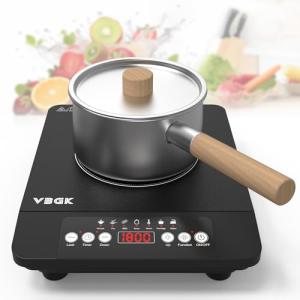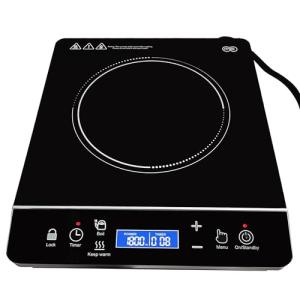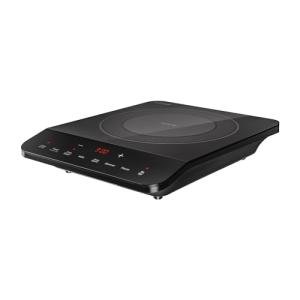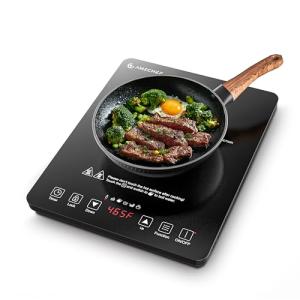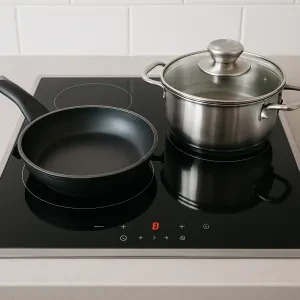
So, you’re curious about the buzz around induction stoves? Let’s dive into the basics! An induction stove uses magnetic fields to heat up your pots and pans directly. Yes, you read that right! Instead of warming up the cooktop itself, it heats the cookware, which means faster cooking times and less wasted energy. Pretty cool, right?
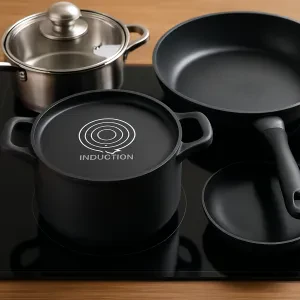
One big perk of an induction stove is how easy it is to control the heat. You can go from boiling to simmering in seconds! Plus, the cooktop stays relatively cool, which means it’s safer, especially around little ones or pets. Just remember, you'll need compatible cookware with magnetic properties, like cast iron or some stainless steel.
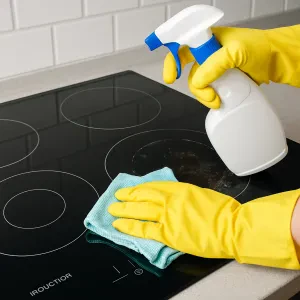
When comparing induction stove vs gas, the cleaning game gets easier with induction. Spill something? Wipe it up! Since the stovetop doesn’t get super hot, food doesn’t stick and burn onto the surface like it can with gas stoves. It’s just one less thing to worry about after dinner.
Induction stoves run silently, without the whooshing sound of gas flames. If you enjoy a quieter kitchen while you whip up your favorite meals, this is a big win. And let’s not forget about energy efficiency. Induction cooking is faster and uses less energy overall, meaning your utility bill might thank you later!
How Gas Stoves Work and Why They Matter
Gas stoves are a staple in many kitchens, and for a good reason. They work by burning natural gas or propane to create a flame. This flame directly heats the cookware, allowing for instant adjustments to temperature. If you want to simmer something gently or whip up a quick boil, you have control right at your fingertips. That immediate heat adds an undeniable charm to cooking.
One of the biggest advantages of gas stoves is their responsiveness. When you turn the knob, you can feel the heat level change almost instantly. No waiting for elements to heat up! Plus, cooking with gas gives you that traditional kitchen vibe, and many chefs swear by it for both precision and flavor enhancement.
But there are some downsides to consider. Gas stoves require ventilation to manage fumes and smoke, so you'll need to ensure your kitchen is well-ventilated. There's also the risk of gas leaks, which can be a serious safety concern. You need to stay attentive to keep everything running smoothly.
When comparing induction stove vs gas, it's essential to weigh your priorities. If you love the traditional feel and precise temperature control of flames, gas might be your go-to. If you're looking for speed, safety, and easy cleanup, an induction stove could edge out gas stoves. Each has its perks, but your choice will depend on your cooking style and what fits best in your kitchen.
Key Differences Between Induction and Gas
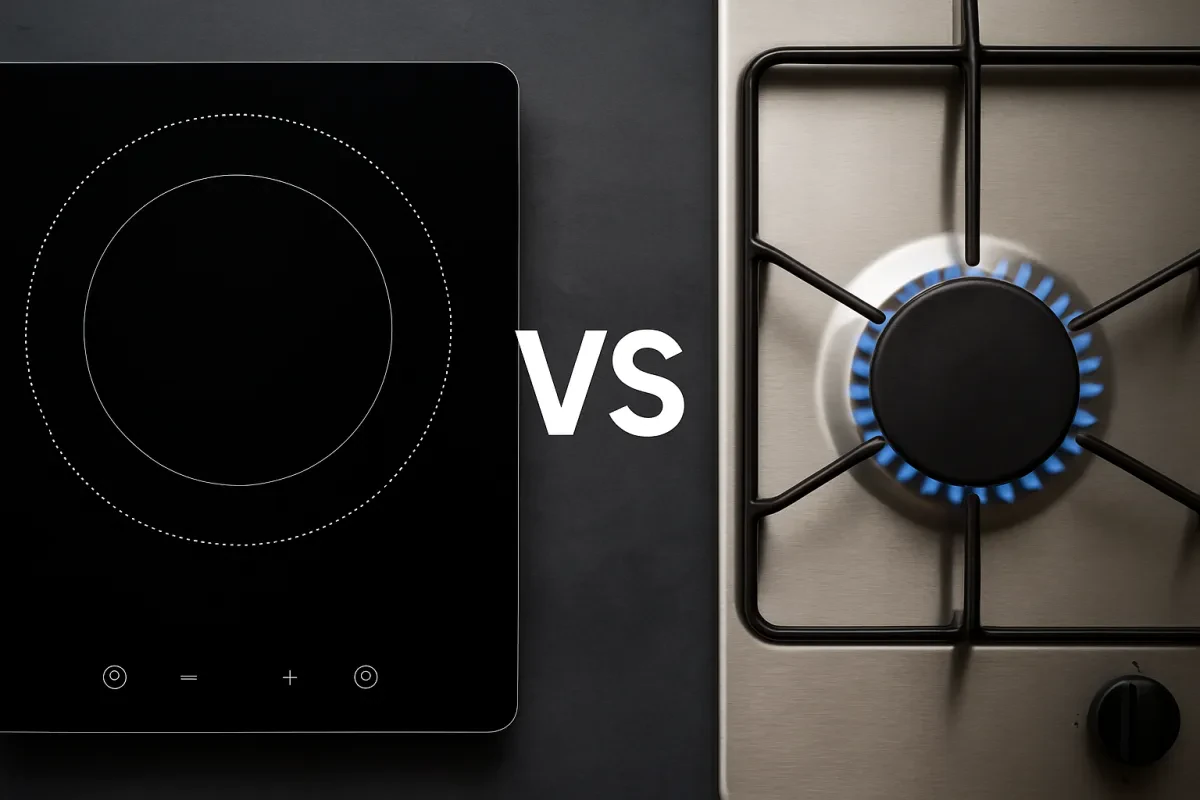
When it comes to cooking, many folks wonder about the differences between induction stoves and gas. Let's break it down in a simple way. First up, induction stoves use electromagnetic energy to heat your pots and pans directly. That means if you’re not using a magnetic pot, nothing gets heated, which is pretty cool for safety and efficiency. On the flip side, gas stoves use an open flame, which can give you that classic cooking vibe but can take a bit longer to heat things up. Plus, you can adjust the flame instantly.
Another biggie is how easy they are to clean. Induction cooktops are usually smooth and flat, so spills don’t stick easily, making cleanup a breeze. You just wipe it down! With gas stoves, you’ve got grates and burners that can get messy and require a little elbow grease to scrub. If you’re short on time and want a quick clean, an induction stove might be your best buddy.
Then there’s the cooking experience. Some people love the immediate feedback of an open flame from gas, giving them more control over their cooking. Induction stoves can also provide quick heat adjustments but may feel a little different if you’re used to gas. It really depends on what you’re comfortable with. So when weighing the options in the Induction Stove vs Gas debate, think about how you like to cook.
Lastly, let’s talk about energy efficiency. Induction stoves are generally more efficient, using up to 90% of their energy for cooking, while gas stoves sit around 40-55%. That means you save on your energy bill while cooking faster. In the end, it’s all about what fits your cooking style and home setup best. Both have their perks; it just depends on what you need!
Choosing the Right Stove for Your Kitchen
When it comes to picking the right stove for your kitchen, you’ve got some cool options to think about. The debate of induction stove vs gas is one that many home cooks face. Each type has its own vibe, and your choice really depends on what you need.
If you like precision and speed, an induction stove might be your new best friend. They heat up super fast and give you precise control over cooking temperatures. Plus, they’re easy to clean since spills don’t get baked onto the stovetop like they can with gas. Just a quick wipe, and you’re done!
On the flip side, gas stoves have been a favorite for ages. Many chefs swear by them because of the instant heat and visual feedback. You can see the flame, so you know right away if it’s on or off. If you’re into the art of cooking and want that traditional experience, gas might feel more comfortable.
Think about your cooking style. Do you typically whip up quick meals, or do you enjoy spending time on gourmet dishes? If you have a busy lifestyle and need something fast and efficient, the induction stove could be a game-changer. But if you want to work with flames and feel more connected to your cooking, gas stoves have that classic appeal.